
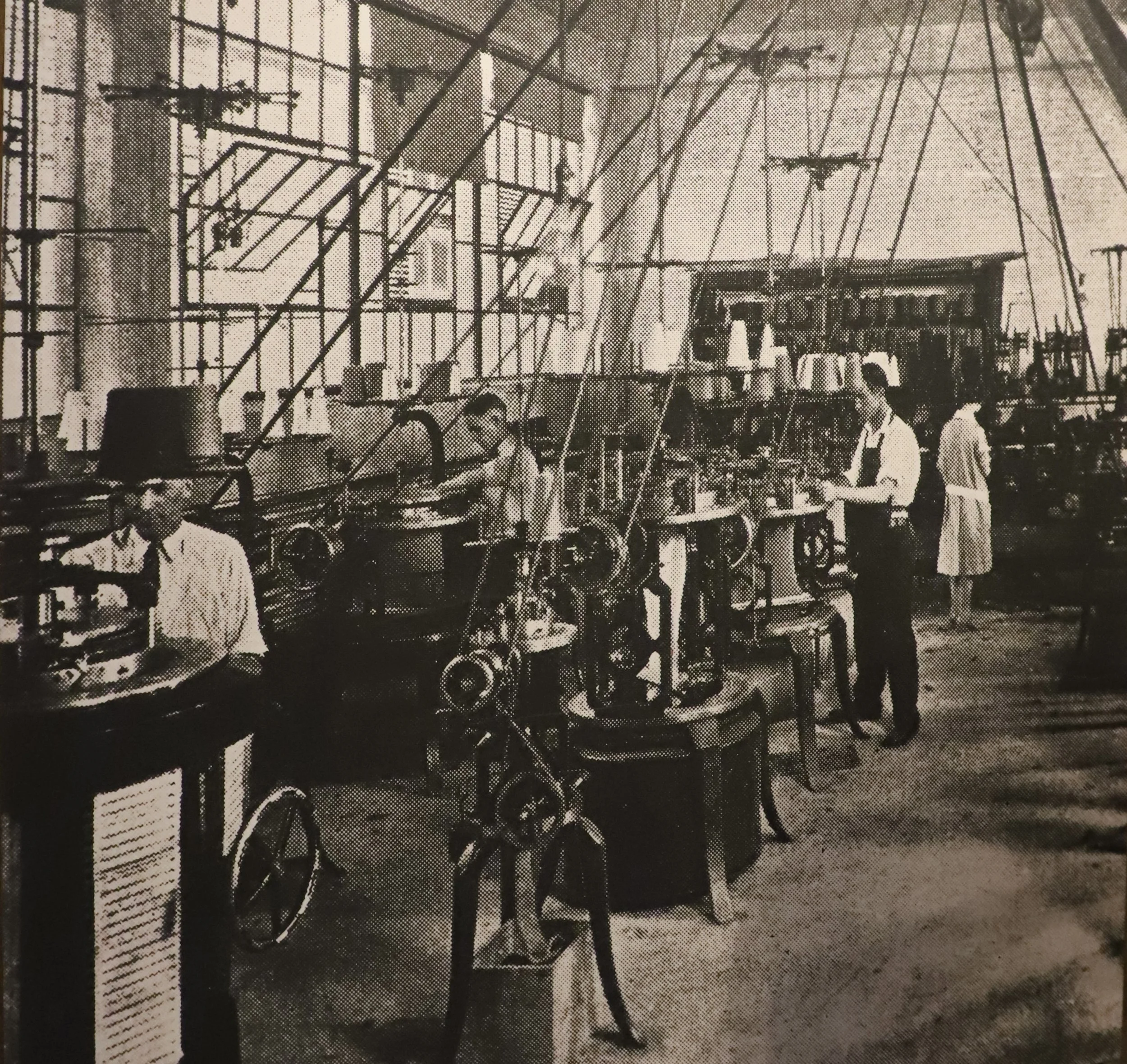
The men's business suit represents one of the most enduring garments in fashion history—a piece that has survived revolutions, technological upheavals, and countless declarations of its obsolescence. Yet understanding where we are today requires understanding where we've been. The journey from Savile Row's cobblestoned workshops to Salt Lake City's modern tailoring ateliers isn't simply a geographic migration; it's a story of adaptation, democratization, and the persistent human desire to present oneself with intention and dignity.
The Birth of Modern Menswear on Savile Row
Savile Row didn't invent tailoring, but it perfected the language we still use to discuss it. In the early 19th century, this unremarkable London street became the epicenter of men's fashion history through a combination of aristocratic patronage, exceptional craftsmanship, and fortuitous timing. Beau Brummell, the era's arbiter of taste, rejected the flamboyant silks and embroidery of Georgian fashion in favor of impeccably cut dark cloth—a revolution disguised as restraint.
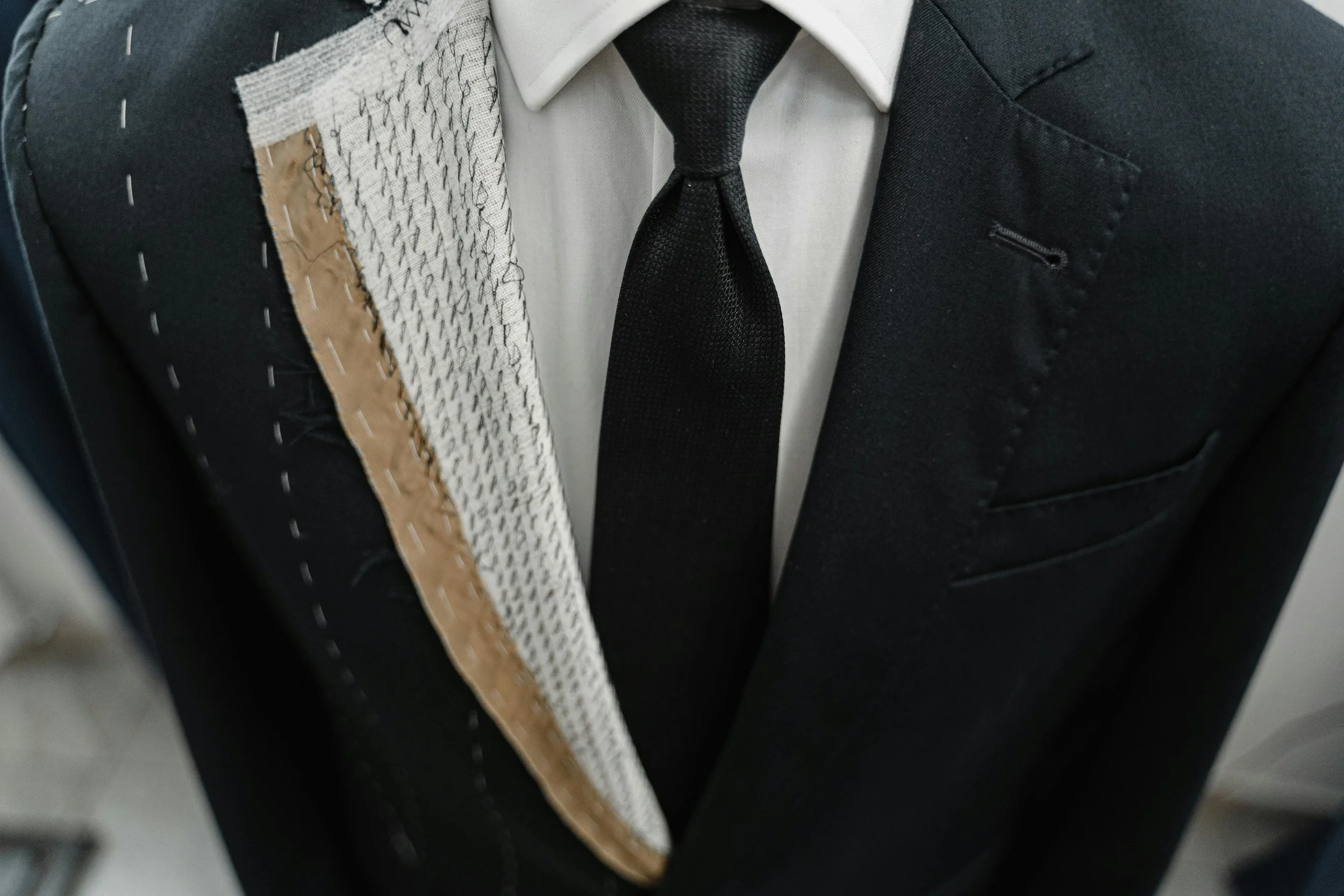
The Savile Row suit established principles that persist today: proper shoulders, clean lines, and fit as the ultimate luxury. These tailors developed the structured jacket with its canvas interlining, the innovation that allows wool to mold to your body over time rather than simply hanging from your frame. This wasn't merely technical achievement—it was philosophical. The best custom suits weren't costumes to be noticed but second skins that allowed the wearer's character to take precedence.
What made Savile Row suits legendary wasn't ornamentation but precision. Each jacket required fifty to eighty hours of hand work, multiple fittings, and the accumulated knowledge of generations. This approach to menswear treated garments as long-term investments rather than seasonal purchases—a perspective that feels simultaneously archaic and urgently relevant.
American Adaptation and the Men's Business Suit
The men's business suit crossed the Atlantic with British immigrants but quickly evolved to suit American sensibilities. While Savile Row served aristocracy and old money, American tailoring addressed a different clientele: self-made businessmen who valued efficiency alongside elegance. Brooks Brothers, founded in 1818, became the vehicle for this translation.
The American interpretation of the business suit emphasized practicality without sacrificing quality. The sack suit—with its natural shoulder, minimal waist suppression, and straightforward construction—reflected democratic ideals. This wasn't the body-conscious tailoring of Europe but something looser, more forgiving, easier to produce at scale. It suggested that success didn't require aristocratic lineage, just ambition and a decent suit.
By the mid-20th century, the gray flannel suit had become America's uniform of aspiration. Madison Avenue executives, corporate managers, and ambitious salesmen wore virtually identical garments—a visual shorthand for professional seriousness. This standardization would have horrified Savile Row's bespoke tailors, but it served a purpose: in a meritocratic society, the suit became the great equalizer, allowing talent to speak louder than background.
The American contribution to fashion history wasn't innovation in construction but innovation in meaning. The men's business suit transformed from a marker of class to a marker of professionalism—available to anyone willing to invest in quality fabric and proper tailoring.
The Casual Revolution and Menswear's Identity Crisis
The late 20th century brought challenges that nearly obsoleted the suit entirely. Silicon Valley's rise in the 1990s introduced a new power aesthetic: the hoodie, the t-shirt, the deliberate rejection of traditional formality. When the world's wealthiest and most influential men dressed like college students, the men's business suit suddenly seemed like a relic—expensive, uncomfortable, and irrelevant.
"Business casual" emerged as a compromise, though the term remained frustratingly vague. What began as Casual Friday metastasized into Casual Everyday, with khakis and polo shirts replacing the structured formality that had defined professional dress for generations. Traditional menswear found itself defending its relevance against accusations of stuffiness, discomfort, and outdated thinking.
This period proved clarifying, however. The suit's near-death experience revealed what it actually offered: not arbitrary formality but intentional presentation. Those who abandoned tailoring entirely often discovered that comfort came with hidden costs—the subtle loss of professional presence, the difficulty of commanding attention in a room, the psychological shift that occurs when appearance carries no weight.
The casual revolution's greatest gift to fashion history was forcing tailoring to justify itself. Custom suits could no longer rely on tradition or social expectation. They had to deliver actual value: superior construction, better fabrics, personalized fit, and the confidence that comes from knowing you're properly dressed for consequential moments.
The Rise of Regional Tailoring Markets
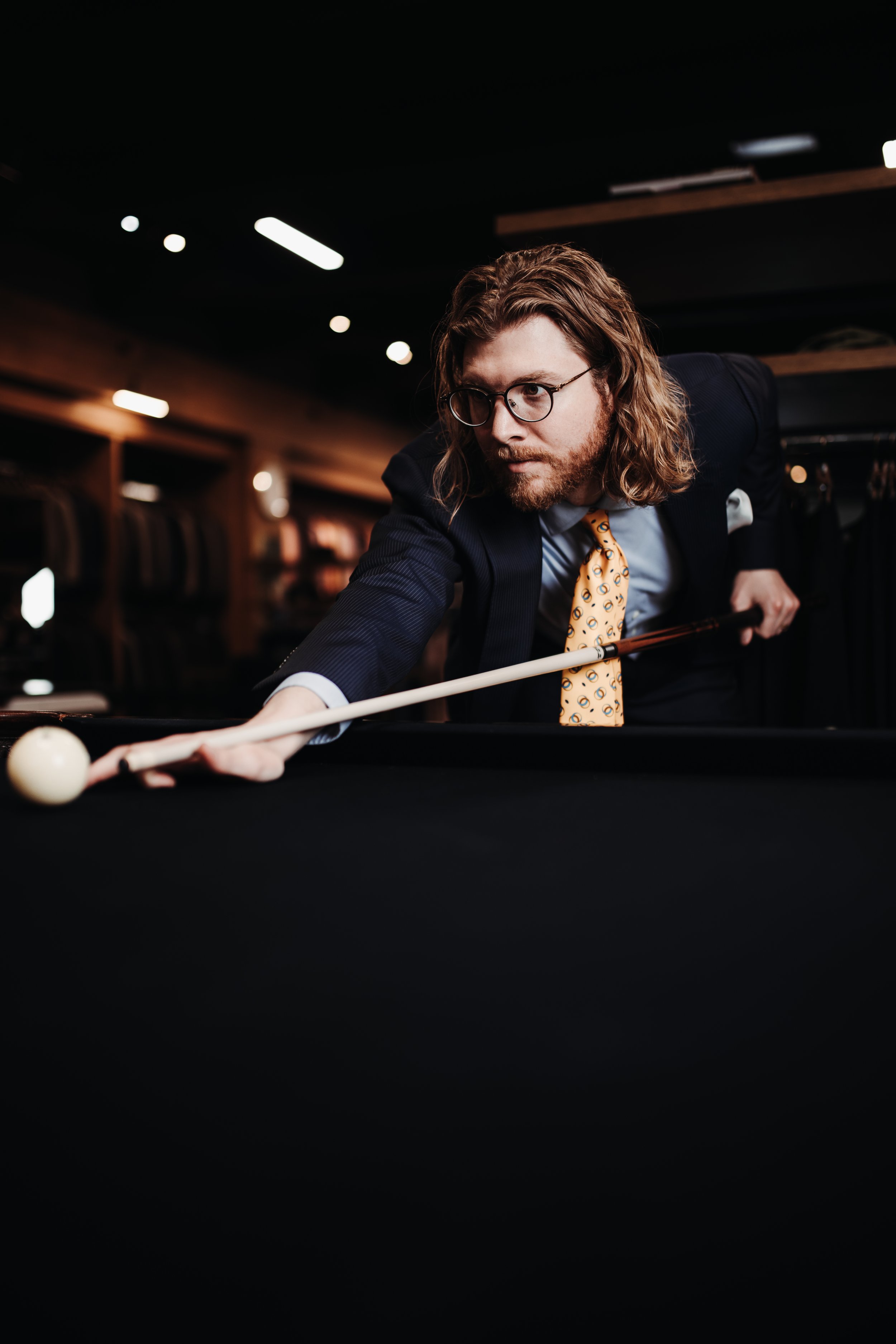
While coastal cities debated the suit's relevance, something interesting happened in America's regional markets. Cities beyond New York, Los Angeles, and San Francisco never fully embraced the extreme casual shift—not from conservatism but from economic pragmatism. Markets building diversified economies around finance, real estate, law, and emerging technology sectors discovered that professional appearance retained tangible currency.
Regional tailoring markets benefited from a unique position. Without the fashion industry's constant pressure to chase trends, these cities could focus on fundamentals: proper fit, quality construction, and garments that solved real problems for working professionals. The men's business suit in these markets wasn't a fashion statement but a practical tool—which paradoxically made it more essential, not less.
These regional centers also preserved institutional memory that coastal cities sometimes abandoned. Local tailoring shops maintained relationships across generations, understanding not just measurements but family histories, professional trajectories, and the specific demands of regional business cultures. This continuity allowed custom suits to remain accessible luxuries rather than becoming rarified affectations.
The economic diversity of regional markets proved crucial. While tech-dominated cities could embrace uniform casualness, cities with mixed economies—where lawyers still faced judges, bankers still met conservative clients, and entrepreneurs still pitched traditional investors—required wardrobes that could navigate multiple professional contexts. Regional menswear adapted by offering versatility rather than choosing sides in the formal-versus-casual debate.
Salt Lake City: Where Tradition Meets Western Pragmatism
Salt Lake City's tailoring scene represents a particularly interesting synthesis of Savile Row craftsmanship and American directness. The best custom suits produced here draw on British construction techniques—full canvas, hand-stitched lapels, properly set sleeves—while maintaining Western straightforwardness in service and communication. This isn't old-world mystique but transparent expertise, where tailors explain their craft rather than hiding behind centuries of tradition.
Geography shapes menswear in unexpected ways, and Salt Lake City's unique climate demands specific solutions. The dramatic temperature swings—crisp autumn mornings giving way to warm afternoons, winter cold punctuated by heated offices—require suits that adapt. This means attention to fabric weight, breathable linings, and construction that provides structure without excessive warmth. Year-round weights become essential rather than compromise, and versatility transforms from marketing language into genuine requirement.
The city's cultural context matters too. A business environment that values both professional presentation and authentic relationships creates demand for tailoring that looks polished without appearing pretentious. The men's business suit here serves as professional armor for consequential moments while remaining consistent with broader cultural values of approachability and substance over flash.
The renaissance of custom suits in Salt Lake City also reflects broader work culture shifts. As remote work normalized casual dress for daily tasks, tailoring found renewed purpose in high-stakes moments: client presentations, board meetings, celebrations, and occasions where appearance signals respect and preparation. The suit hasn't disappeared; it's become more intentional, reserved for when presentation genuinely matters rather than serving as daily uniform.
Technology and the Democratization of Excellence
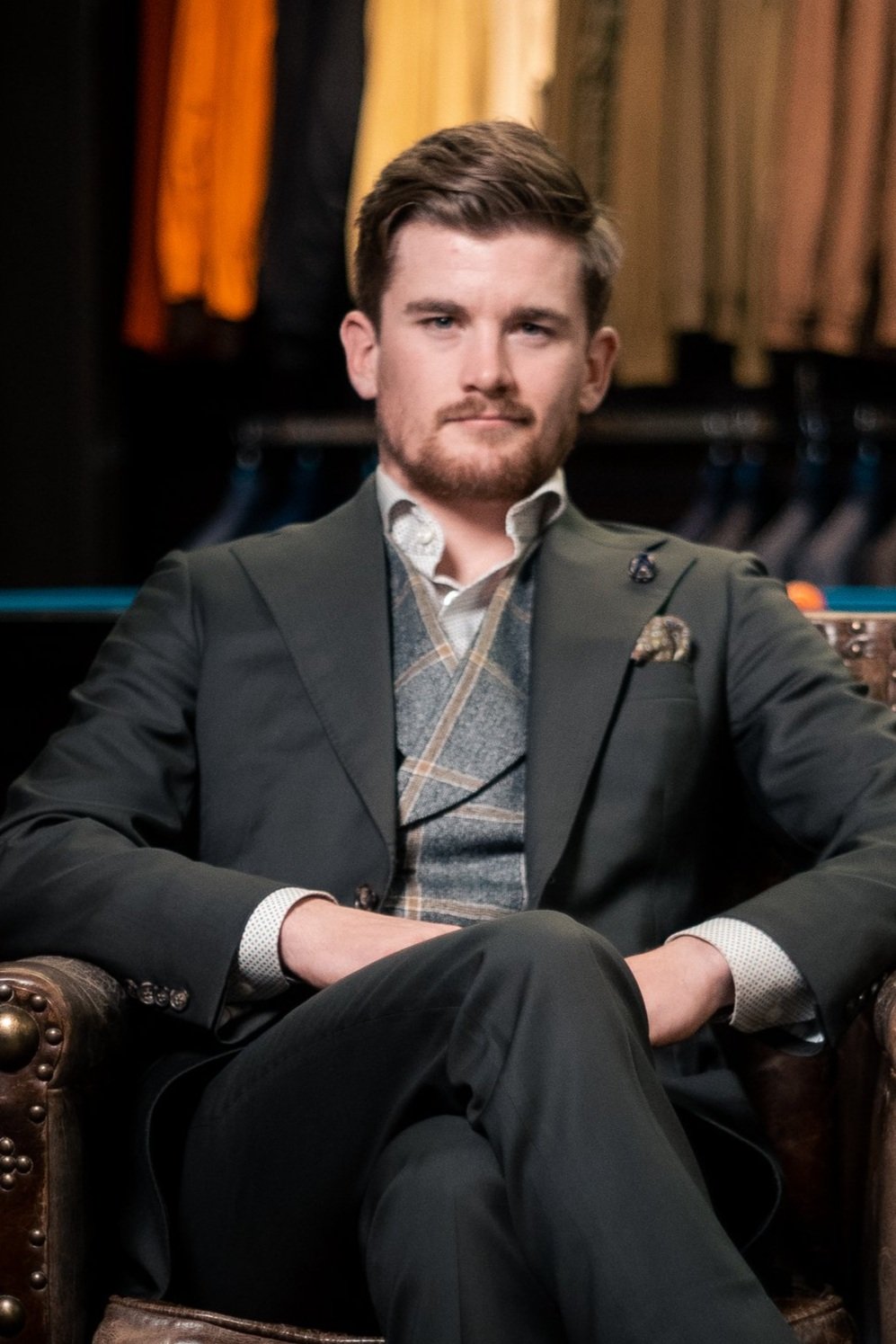
Contemporary menswear exists in productive tension between tradition and innovation. The fundamental principles established on Savile Row remain sound—proper fit, quality fabric, thoughtful construction—but technology has transformed access to excellence. What once required proximity to London's Golden Mile can now be achieved in regional markets through digital measurement tools, global fabric sourcing, and improved communication networks.
Digital body scanning represents perhaps the most significant technical advancement, though not for reasons commonly assumed. The technology's value lies less in replacing skilled tailors than in creating consistent baseline data that tailors can refine through their expertise. A good scan captures dozens of measurements in seconds, but a skilled tailor interprets those measurements in context—understanding how bodies move, where adjustments matter, and which compromises serve the wearer best.
Global fabric sourcing has likewise democratized quality without diluting it. Regional tailors can now access the same Italian mills, English worsteds, and Japanese innovations that supply Savile Row, eliminating geographic monopolies on excellence. This doesn't make all tailoring equal—skill still separates adequate from exceptional—but it removes artificial barriers based purely on location.
The internet's information economy has also shifted power toward educated consumers. Men can now research construction methods, learn to evaluate quality fabric, and understand what they're purchasing before entering a tailor's shop. This transparency benefits everyone: tailors can have more sophisticated conversations with clients, and clients can make informed decisions rather than relying purely on trust or tradition.
The Modern Suit: Versatility for an Evolving World
The men's business suit's evolution continues, driven by fundamental changes in how and where we work. Today's tailoring must serve multiple roles simultaneously: professional armor for critical meetings, elevated business casual for hybrid environments, and personal expression for those who believe clothes still communicate character. This demands versatility that pure tradition never required.
Modern custom suits often incorporate features that would have puzzled Savile Row's founding tailors. Stretch fabrics that maintain structure while allowing movement. Unlined or half-lined construction for year-round comfort. Travel-friendly fabrics that resist wrinkling. These aren't compromises but intelligent adaptations—using new materials and techniques to serve traditional purposes more effectively.
What's emerging isn't the suit's obsolescence but its refinement into something more intentional. Rather than everyone wearing identical business uniforms out of obligation, modern menswear encourages personalization within established frameworks. The best custom suits today balance timeless silhouettes with individual details—pocket configurations that suit your actual lifestyle, lapel widths that flatter your proportions, quality fabric choices that serve your specific climate and calendar.
Fashion history teaches that truly useful garments don't disappear; they adapt. The journey from Savile Row to Salt Lake City demonstrates this perfectly. The core principles that made tailoring valuable in 1810 remain valuable today: garments that fit properly, fabrics that perform well, and the quiet confidence that comes from knowing you're dressed appropriately for whatever the day demands. Geography changes, cultural expectations shift, but the fundamental appeal of a well-made suit persists—not as obligation but as option, available to those who recognize its continued utility in an increasingly casual world.