
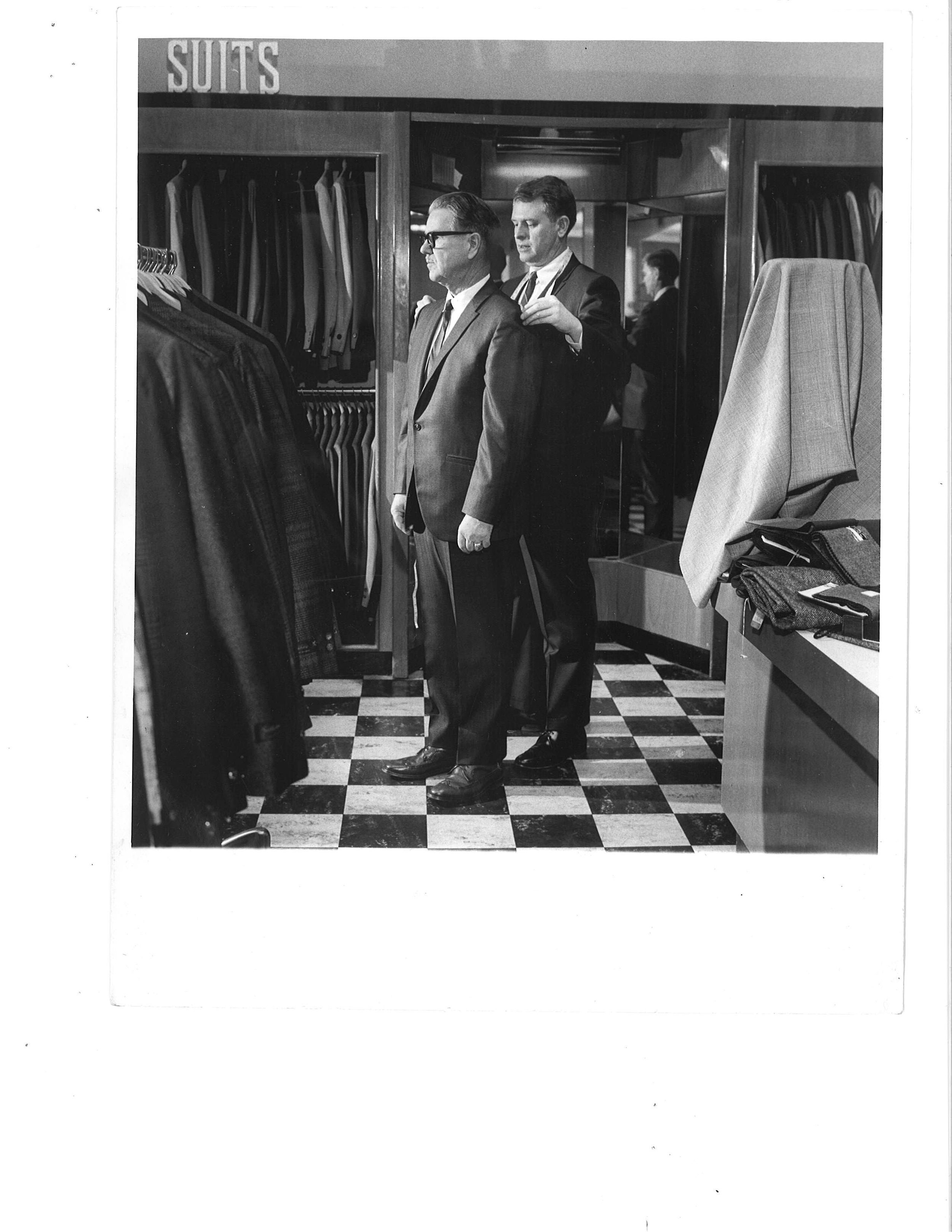
Most suits don’t leave much of an impression, even when there’s nothing technically wrong with them. You notice them in the moment, register that they look appropriate, and then move on without much thought. A few hours later, you likely couldn’t describe them if you tried. They did their job, but they didn’t stay with you.
Occasionally, though, there’s a different outcome. A suit stands out—not in a loud or attention-seeking way, but one that feels composed and complete. You remember how it looked, how it moved, how it seemed to belong to the person wearing it. That kind of impression doesn’t come from a single bold choice. It comes from a series of smaller decisions that align in a way most people don’t consciously notice.
That’s where the conversation around what makes a suit look good often falls short. It tends to isolate individual elements—fit, fabric, color—as if each one can independently carry the result. In reality, those elements only matter in how they work together, and that interaction is what determines whether a suit fades into the background or holds attention over time.
Clarity Over Complexity
One of the fastest ways a suit becomes forgettable is by trying to do too much at once. When multiple elements compete for attention—pattern, texture, contrast—none of them are given enough space to define the look. The result isn’t bold or expressive. It’s scattered.
The suits that tend to stay with people usually have a kind of clarity to them. Not simplicity in the sense of being plain, but coherence in the sense that everything points in the same direction. The fabric supports the cut, the color works with the setting, and the overall presentation feels intentional rather than assembled.
This is where many suit style tips miss the mark. They encourage adding elements without considering how those elements interact. A stronger approach is to remove friction between the pieces so the suit reads as a single idea rather than a collection of parts.
Fit That Reads Without Effort
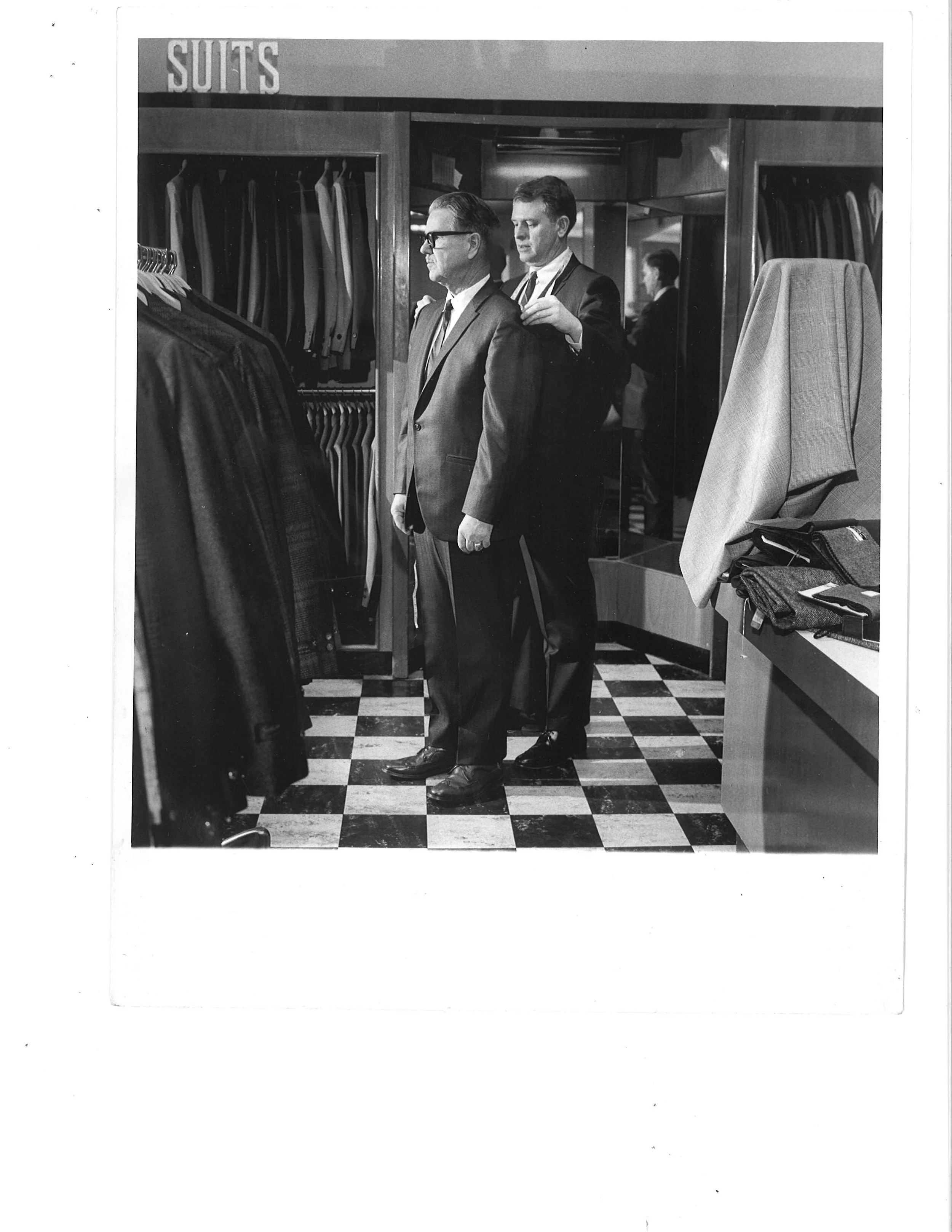
Fit plays a central role in what makes a suit look good, but not in the way it’s often explained. A well-fitted suit doesn’t announce itself through precision or sharpness. Instead, it looks settled, as if the garment belongs exactly where it is without needing adjustment.
When fit is right, the jacket sits cleanly across the shoulders and chest, the sleeves fall naturally, and the trousers maintain their line without shifting. There’s no visible tension, and nothing appears to be compensating for something else. That sense of ease is what people register, even if they don’t consciously identify it.
When fit is off, even slightly, the effect is different. Small imbalances start to appear—the collar lifts, the sleeve rotates, the fabric pulls across the back. None of these issues need to be extreme to affect perception. Over time, they create a sense that the suit isn’t fully settled, and that subtle instability is enough to make it forgettable.
Proportion and Balance
Beyond fit, proportion determines how the suit is read as a whole. It’s not just about whether each element is correct on its own, but whether those elements relate to each other in a balanced way.
Jacket length, trouser rise, lapel width, and sleeve length all influence one another. When they are in proportion, the silhouette feels complete. Nothing appears exaggerated or diminished, and the eye moves naturally across the garment without interruption.
When proportions are slightly off, the effect is harder to define but just as noticeable. A jacket that’s a bit too short combined with trousers that sit too low can create a sense of imbalance that lingers, even if the individual pieces seem acceptable on their own. This is why understanding how to choose a suit goes beyond selecting the right size. It requires seeing how the full shape comes together.
Fabric and Visual Weight
Fabric contributes to how a suit is perceived in ways that are easy to overlook. Every material carries a certain visual weight that affects how the garment holds its shape and how it interacts with light.
Heavier fabrics tend to create sharper lines and maintain structure throughout the day, while lighter fabrics move more freely and soften the overall appearance. Texture adds another layer, influencing how the surface of the suit is read in different lighting conditions.
The suits that leave an impression tend to use fabric in a way that supports the intended look. A structured cut paired with a fabric that lacks body can feel unstable, while a heavier fabric used in a relaxed design can feel overly rigid. When the material and the cut align, the result feels cohesive without drawing attention to how it was achieved.
Color and Context
Color is often treated as the defining factor in men’s suit style, but its effectiveness depends heavily on context. The same color can read differently depending on lighting, environment, and occasion.
A suit that looks strong in natural light may feel flat indoors, while a darker tone that works well in an evening setting might appear too heavy during the day. The suits that tend to stand out are not necessarily the boldest, but the ones that feel appropriate to their surroundings without disappearing into them.
This balance is subtle and rarely comes from pushing contrast alone. It comes from understanding where the suit will be worn and choosing a color that complements that setting while still maintaining a sense of identity.
How the Suit Is Worn
Two identical suits can leave very different impressions depending on how they are worn. Posture, movement, and comfort all influence perception in ways that go beyond the garment itself.
A person who feels comfortable in their suit moves naturally. The jacket stays in place, the trousers fall correctly, and the overall presentation remains consistent throughout the day. That consistency reinforces the impression that the suit fits and functions as it should.
When comfort is lacking, it becomes visible through small adjustments. A sleeve is pulled into place, a waistband is shifted, or posture changes to compensate for tension. These actions may be subtle, but they affect how the suit is perceived over time.
Everyday Context
In Northern Utah, suits are often worn across a range of environments within a single day. Cold outdoor air, climate-controlled interiors, and varied social settings all influence how a suit looks and feels.
A garment that works well in one setting may not hold up in another if it relies too heavily on a specific condition. Fabric, structure, and color all interact differently depending on where the suit is worn, and those differences become more noticeable as the day progresses.
Suits that remain consistent across these changes tend to leave a stronger impression. They don’t rely on a single environment to look right. Instead, they maintain their balance regardless of where they are worn, which reinforces the sense that they were chosen with purpose.
Consistency Over Time
The final factor that separates memorable suits from forgettable ones is how they hold up over time. A suit that looks good initially but loses its shape or balance after a few hours doesn’t leave the same impression as one that remains consistent.
Construction and fabric both play a role here. Better materials and more thoughtful construction allow the suit to maintain its structure, resist wrinkling, and recover from movement throughout the day. These qualities are not always visible at first, but they become apparent as the suit continues to perform.
That reliability becomes part of the overall perception. Even if it isn’t consciously recognized, it contributes to the sense that the suit works as a complete piece.
What Actually Stays With You
When people remember a suit, they rarely recall a single detail. It’s not just the color, the fit, or the fabric that stands out. It’s the way everything worked together without friction. The suit felt balanced. It looked appropriate without fading into the background. It didn’t require adjustment or draw attention to its construction—it simply held its form and supported the person wearing it.
Understanding what makes a suit look good means recognizing that these impressions are built over time. They come from alignment between fit, proportion, fabric, and context rather than any one element in isolation.
Most suits are forgettable because they never fully reach that point of alignment. The ones that do tend to get there quietly, without needing to announce it. That quiet cohesion is what makes them stay with you long after the moment has passed.